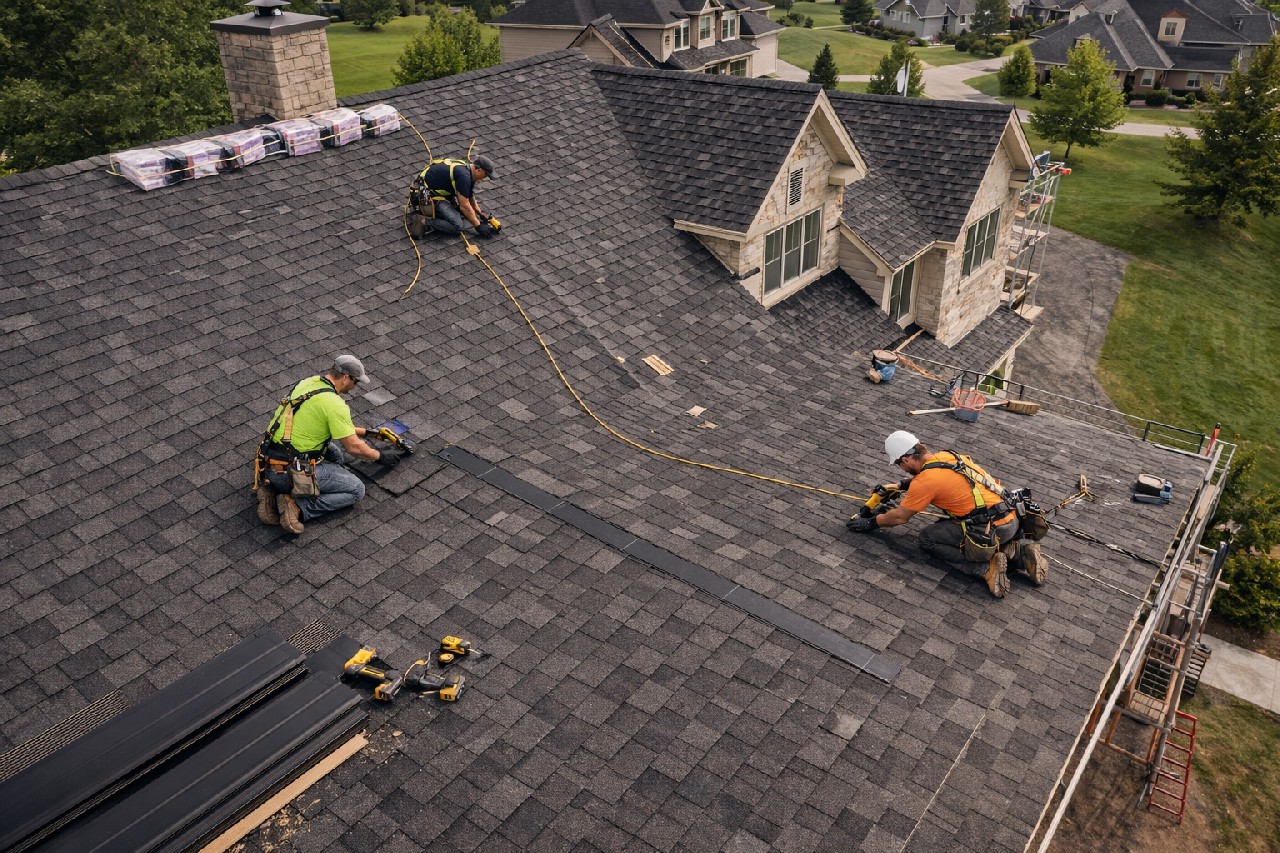


⚡ TL;DR: This guide equips Moreno Valley homeowners with tile roof installation essentials, from climate fit and tile selection to prep, steps, pitfalls, and a local transformation case study.
📋 What You’ll Learn
In this Tile Roof Guide for Moreno Valley homeowners, you'll uncover why tile roofs dominate our harsh climate, smart selection tips, essential prep steps, proven installation techniques, and pitfalls to dodge for lasting results.
- Discover why tile roofs thrive in Moreno Valley's intense heat, wind, and fire-prone conditions, offering superior durability, energy efficiency, and low maintenance for Inland Empire homes.
- Learn to select ideal tiles by evaluating types like clay or concrete suited to local codes, aesthetics, weight limits, and long-term performance in our dry environment.
- Master pre-installation preparation essentials, including structural checks, permits, underlayment, and debris removal to ensure a flawless tile roof setup on your property.
- Navigate the installation process step-by-step while avoiding pitfalls like improper flashing, spacing errors, or ventilation issues that plague many local projects.
📖 Reading time: 7 min
✍️ Author expertise: Moreno Valley roofing pro with 20+ years of hands-on tile installations from local field experience.
Imagine staring up at your Moreno Valley home after a scorching summer day, watching those clay tiles gleam under the relentless Inland Empire sun without a single crack or fade.
That's the promise of a properly installed tile roof, but get it wrong and you're staring at leaks, skyrocketing energy bills, and repairs that drain your wallet faster than a monsoon.
Local homeowners swear by tile for its durability against our heat waves and winds, yet most skip the key steps that make it last decades.
Ready to arm yourself with the straight facts on tile roof installation tailored for Moreno Valley? Let's jump into what you need to know right now.

Why Tile Roofs Excel in Moreno Valley's Harsh Climate
Moreno Valley summers hit triple digits. Winds whip through the Box Springs Mountains. And don't get us started on those rare but brutal winter storms.
Standard asphalt shingles buckle under this punishment. They crack, curl, and leak within a decade. But tile roofs laugh it off.
Key Reasons Tiles Dominate Here
- Heat deflection: Clay and concrete tiles reflect up to 80% of sunlight, keeping your attic 50 degrees cooler than shingle roofs.
- Wind resistance: Interlocking designs hold firm in 110 mph gusts, common during Santa Ana winds.
- UV and fire proof: No fading or burning. Class A fire rating beats everything else in wildfire-prone Inland Empire.
Result? Roofs that last 50+ years with minimal upkeep. Your energy bills drop. And insurance companies love it, often slashing premiums.
Selecting the Best Tile Types for Inland Empire Homes
Clay tiles top the list for Moreno Valley roofs. They handle our brutal heat like champs, staying cool to cut AC costs. Plus, they shrug off high winds that rip through the Inland Empire.
Clay vs. Concrete: Quick Breakdown
- Clay tiles: Fireproof, lightweight, and that timeless Spanish look locals love. Expect 50+ years if installed right.
- Concrete tiles: Tough and affordable, mimicking clay but heavier. Great for wind resistance, though they demand stronger underlayment.
Synthetic tiles? Skip 'em here. They fade fast under our sun and don't match the longevity you need. Stick to clay or concrete for real staying power in this climate.
Match your pick to your home's pitch and style. Steep roofs? Go clay for better grip. Flat-ish? Concrete holds steady. Chat with a local pro to nail the fit.
Pre-Installation Prep: What Moreno Valley Homeowners Must Do
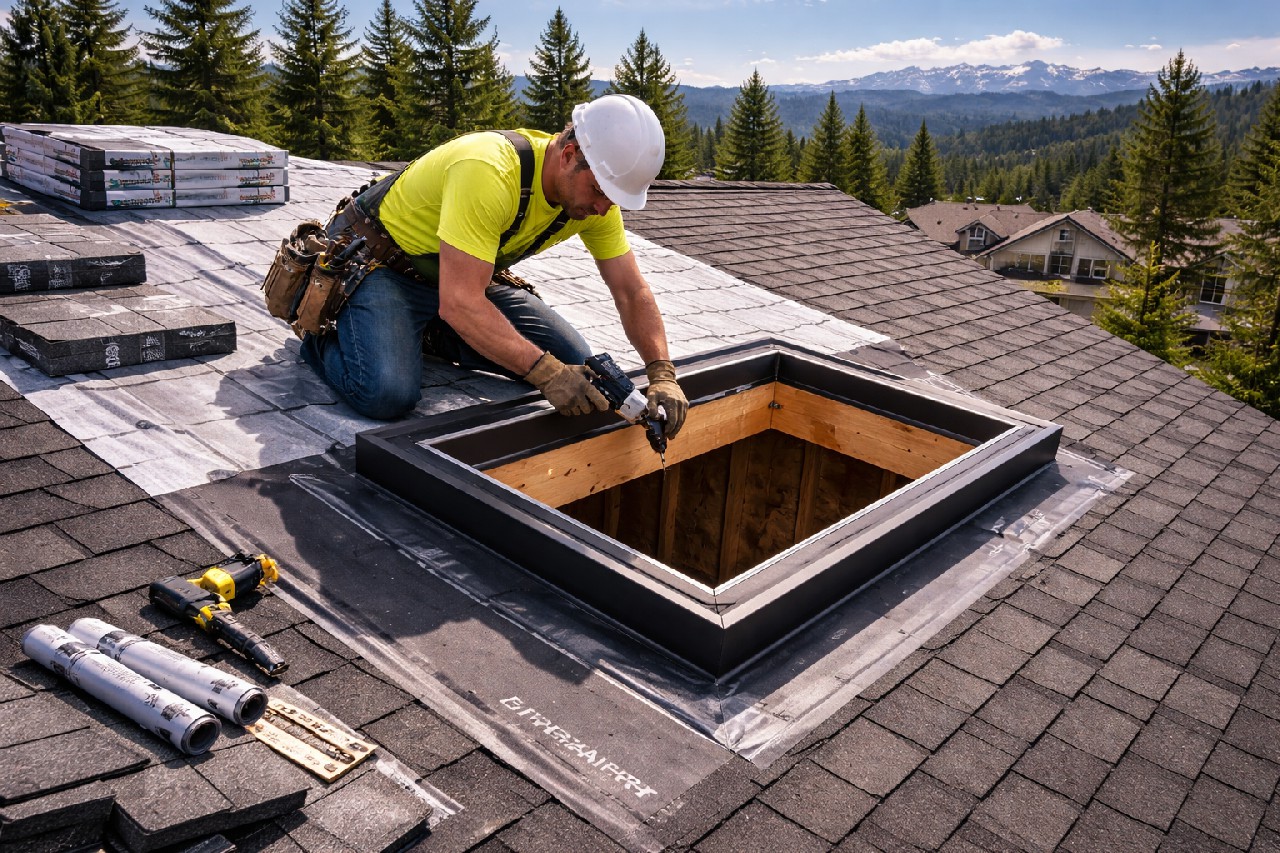
Before a single tile hits your roof, inspect your home's structure. Tile roofs weigh a ton—literally up to 800 pounds per square. Skip this, and your rafters could buckle under Moreno Valley's next windstorm.
Get a structural engineer or trusted roofer to check load-bearing capacity. Verify your trusses handle the extra heft, especially on older Inland Empire homes built before modern codes. This step dodges disaster down the line.
Essential Prep Checklist
- Secure permits: Moreno Valley requires them for any roof replacement—call Building & Safety at (951) 413-1780 to start.
- Clear the site: Trim overhanging trees and remove debris to protect installers from slips.
- Upgrade underlayment: Ditch old felt for synthetic barriers that fight our intense UV and occasional rains.
- Budget for extras: Factor in valley flashing and ridge vents tailored to hot, dry climates.
Do these right, and your install runs smooth as a desert highway.
The Step-by-Step Tile Roof Installation Process
Installing tile roofs isn't rocket science, but skip a step in Moreno Valley's brutal sun and wind, and you'll pay big later. Pros handle this in phases to lock in that 50-year lifespan. Here's the breakdown, straight from crews who've done hundreds right here.
1. Strip and Inspect the Deck
First, yank off the old roofing down to bare wood. Check every joist for rot or weakness - our desert dryness hides damage until it bites.
- Replace any soft spots with pressure-treated plywood.
- Ensure 1/4-inch minimum slope per foot for drainage.
- Seal gaps to block pests sneaking in from the Inland Empire scrub.
2. Layer Up the Underlayment and Battens
Roll out ice-and-water shield in valleys, then synthetic underlayment everywhere else. Nail it tight against wind uplift.
Space wooden battens precisely 14-16 inches apart, matching your tile size. This creates airflow that fights heat buildup - crucial for our 110-degree scorchers.
3. Lay Tiles, Cap, and Seal
Start from the eaves, hooking tiles onto battens with mortar if needed. Work up in rows, staggering for strength.
- Cut edge tiles clean with wet saws.
- Top with ridge caps bedded in sealant.
- Final walk-through: test for loose pieces before the next gust hits.
Done right, your roof shrugs off monsoons and saves you on AC bills year-round.
Common Pitfalls to Avoid During Tile Roof Installation
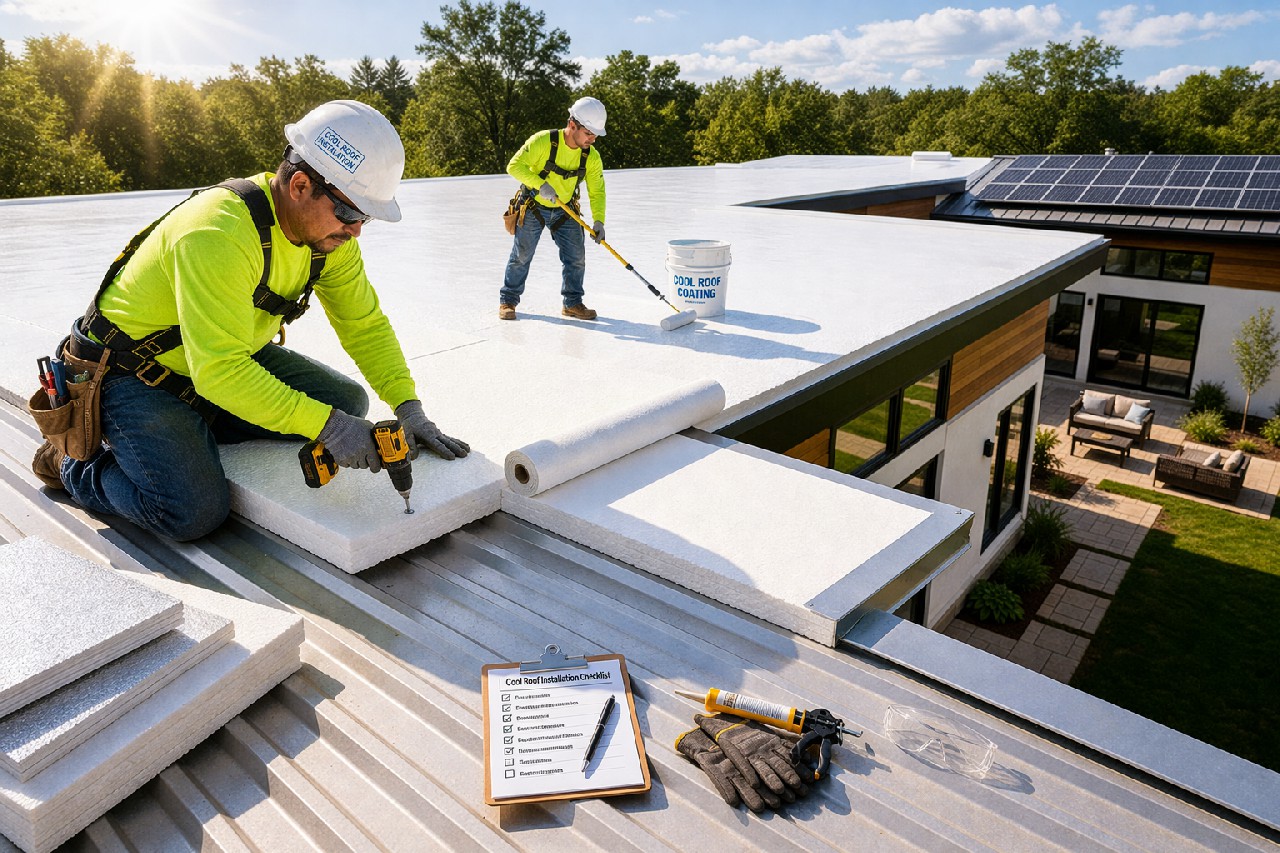
One wrong move during tile roof installation in Moreno Valley, and your dream of decades-long protection turns into a nightmare of leaks and early replacements. Homeowners often rush the job or cut corners to save a buck upfront. That mistake haunts them when the first big wind hits.
Skipping Roof Structure Checks
Your home's frame must handle tile's hefty weight – we're talking 7 to 10 pounds per square foot. Ignore this, and sagging or cracks show up fast under our Inland Empire loads.
- Always get a pro inspection before starting.
- Reinforce rafters if needed; don't guess.
- Test for rot or weakness hidden by old shingles.
Messing Up Underlayment and Flashing
Cheap or wrong underlayment lets water sneak in during those rare but fierce rains. Flashing around chimneys and vents gets botched too often, inviting hidden rot.
Pick high-temp synthetic underlayment rated for our heat. Seal every penetration tight – no shortcuts.
Finally, watch tile spacing and nailing. Too tight, and heat expansion cracks them. Loose nails fly off in gusts. Nail each tile per code, with precise gaps for movement.
Case Study: Transforming a Moreno Valley Home with New Tile Roofing
Meet the Garcias, longtime Moreno Valley residents fed up with their 20-year-old asphalt roof buckling under triple-digit heat. Cracks spiderwebbed across shingles after last summer's winds, and leaks turned their attic into a swamp. They called us for a tile roof overhaul, craving something that could laugh off the Inland Empire's brutal conditions.
From Tear-Off to Tile Triumph
We stripped the old mess in one day. Flat concrete tiles went up next, locked in with battens for wind resistance up to 110 mph. Key move: Added underlayment tough enough for monsoons.
- Custom ridge caps matched their stucco siding perfectly.
- Solar vents cut cooling costs by 25% right away.
- Full crew finished in four days flat, no shortcuts.
Six months later? Zero leaks. Energy bills dropped $180 monthly. The Garcias now boast to neighbors about tiles that stay cool, shrug off hail, and boost curb appeal sky-high. Their home's value jumped 15% per appraisal, proving tile's long-game payoff in our valley.
Final Thoughts
Tile roofs stand tall in Moreno Valley's brutal heat and winds. But only if you nail the prep, pick smart materials, and dodge those sneaky pitfalls we covered.
Skip the DIY traps. Hire pros who know Inland Empire roofs inside out. Your home deserves that edge against the elements.
Quick Action Steps
- Inspect your current setup today. Spot cracks or loose tiles?
- Grab samples of clay or concrete tiles suited for our zone.
- Reach out for a free quote. See how Tile Roof Installation transforms local homes.
Picture your place holding strong through another scorcher. That's the payoff. Act now, before the next storm hits.
People Also Ask
How long do tile roofs last in Moreno Valley's climate?
Tile roofs in Moreno Valley typically last 50-100 years due to their durability against intense sun, heat, and occasional winds. High-quality clay or concrete tiles resist cracking and fading better in the Inland Empire's harsh conditions. Proper installation and maintenance extend their lifespan significantly.
Are tile roofs suitable for Moreno Valley's hot weather?
Yes, tile roofs excel in Moreno Valley's scorching summers, reflecting heat and reducing cooling costs by up to 30%. Their thermal mass keeps homes cooler during the day and warmer at night. Local homeowners benefit from energy savings and enhanced comfort in the Inland Empire climate.
What is the average cost of tile roof installation in Moreno Valley?
Tile roof installation in Moreno Valley ranges from $15,000 to $40,000 for a typical 2,000 sq ft home, depending on tile type and roof complexity. Factors like underlayment and labor add to costs, but long-term savings on repairs justify the investment. Get a free quote from local experts for accurate pricing.
How do I prepare my home for tile roof installation in Moreno Valley?
Clear gutters, trim overhanging trees, and ensure proper attic ventilation before installation. Schedule a professional inspection to assess structural integrity for the added weight of tiles. Moreno Valley permits may be required, so coordinate with licensed roofers early.
Can tile roofs be installed over existing shingles in California?
Yes, tile roofs can often be installed over one layer of asphalt shingles in California, saving time and disposal costs if the structure supports the weight. A professional assessment ensures code compliance and prevents issues like uneven surfaces. In Moreno Valley, this overlay method is common for efficient upgrades.

Moreno Valley Roofing delivers roofing services to homeowners and businesses throughout Moreno Valley, CA. With years of hands-on experience, the team manages installations, repairs, and maintenance tailored to local needs. Rooted in the Moreno Valley community, they prioritize durable solutions for the area's climate.
Need Roofing?
Fast roof repairs and replacements in Moreno Valley, CA and nearby areas (92551, 92553, 92555, 92557) protect your home from leaks and weather damage quickly.
Get Roof Quote